AirPods Pro 3 Vs AirPods Pro 2? What is the difference?

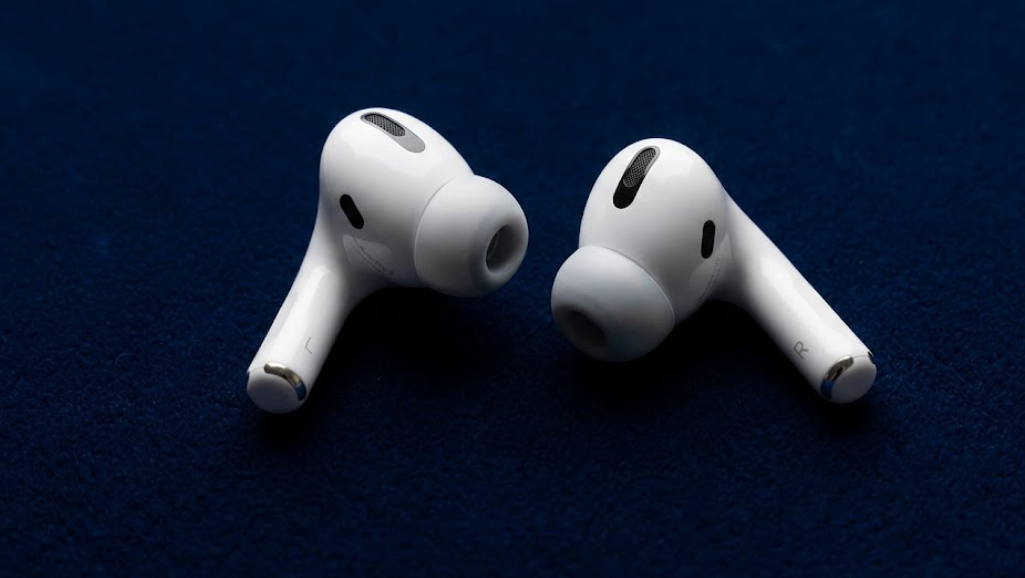
Wireless earbuds continue to improve every year. Many users now compare Apple AirPods Pro (3rd generation) and Apple AirPods Pro (2nd generation) before buying. Both models offer premium features. However, several technical differences affect sound quality, comfort, durability, and smart features. This guide explains the exact differences and helps you choose the right model.
AirPods Pro 3 Vs AirPods Pro 2? What is the difference?
The main difference between Apple AirPods Pro (3rd generation) and Apple AirPods Pro (2nd generation) is improved noise cancellation, new health features, updated design, and better durability in the newer model.
Quick Difference Overview
| Feature | AirPods Pro 3 | AirPods Pro 2 |
|---|---|---|
| Release Year | 2025 | 2022 |
| Chip | Apple H2 Chip | Apple H2 Chip |
| Active Noise Cancellation | Up to 2× better | Standard ANC |
| Heart Rate Monitoring | Yes | No |
| Water Resistance | IP57 | IP54 |
| Ear Tip Types | Foam-infused silicone | Silicone |
| Design | Smaller and refined | Standard Pro design |
| Price (Launch) | $249 | $249 |
Apple AirPods Pro (3rd generation) delivers noticeable upgrades in sound processing, health tracking, and environmental resistance. Apple AirPods Pro (2nd generation) remains a reliable choice with strong performance and lower retail discounts.
Active Noise Cancellation Difference
Noise control is one of the biggest improvements in Apple AirPods Pro (3rd generation).
Key upgrades include:
- Up to 2× stronger Active Noise Cancellation than the previous model
- Improved microphones with lower background noise detection
- Foam-infused ear tips that create tighter seals
- Better adaptive audio adjustment in changing environments
Apple confirms that the newer model removes significantly more external noise through improved computational audio and upgraded microphones.
Apple AirPods Pro (2nd generation) still offers strong noise reduction. However, it uses standard silicone tips and earlier acoustic tuning.
Sound Quality Improvements
Audio tuning also improves in Apple AirPods Pro (3rd generation).
Important sound upgrades:
- Wider soundstage with improved airflow design
- Clearer vocals at higher frequencies
- Enhanced bass response through updated drivers
- Better spatial audio clarity
The newer architecture controls airflow more precisely, which improves overall sound detail and separation between instruments.
Apple AirPods Pro (2nd generation) already supports spatial audio and Adaptive EQ. However, the third generation provides more refined sound output.
Design and Comfort Changes
Physical design differences affect daily comfort and stability.
Key design updates in Apple AirPods Pro (3rd generation):
- Smaller earbud shape
- Foam-infused ear tips
- Improved ear seal stability
- Slightly refined charging case
The new ear tips mold more closely to ear shapes. This design helps reduce sound leakage and improve fit consistency.
Apple AirPods Pro (2nd generation) uses classic silicone tips in four sizes. Many users still find the older design comfortable for extended wear.
Health and Smart Feature Upgrades
Health monitoring is a major new capability.
Exclusive features in Apple AirPods Pro (3rd generation):
- Heart rate monitoring sensor
- Conversation Awareness detection
- Personalized volume adjustment
- Adaptive listening automation
Heart rate sensing allows real-time monitoring during workouts or daily movement. This feature introduces new wearable capabilities that were not available in the previous model.
Apple AirPods Pro (2nd generation) does not include health tracking features.
Water and Sweat Resistance
Durability improves significantly in the newer version.
Water protection comparison:
- Apple AirPods Pro (3rd generation): IP57 rating
- Apple AirPods Pro (2nd generation): IP54 rating
IP57 resistance allows better protection against water splashes, dust, and sweat exposure. This makes the newer model suitable for workouts and outdoor use.
Battery Performance
Battery capacity remains similar between both models.
Typical battery ranges:
Apple AirPods Pro (3rd generation):
- Up to 6 hours listening time
- Up to 24 hours with charging case
Apple AirPods Pro (2nd generation):
- Up to 6 hours listening time
- Up to 30 hours with charging case
Battery differences depend on settings such as ANC usage and spatial audio features.
Price Comparison
Launch prices remain identical.
Price details:
- Apple AirPods Pro (3rd generation): $249 launch price
- Apple AirPods Pro (2nd generation): $249 launch price
Retail discounts often reduce the cost of Apple AirPods Pro (2nd generation) to lower ranges. Some stores offer prices between $170 and $200, making it a budget-friendly option.
Key Features of AirPods Pro 3
Apple AirPods Pro (3rd generation) introduces several premium upgrades designed for advanced users.
Advanced Audio Technology
Important audio features include:
- Updated acoustic architecture
- Improved Adaptive EQ
- Ultra-low noise microphones
- Personalized spatial audio tuning
These features improve clarity during music playback and voice calls.
Adaptive Audio Modes
New listening controls improve daily usability.
Available modes:
- Transparency Mode
- Adaptive Audio Mode
- Conversation Awareness
- Voice Isolation Mode
Conversation Awareness automatically lowers audio volume when the user starts speaking.
Health Monitoring Functions
New sensors add wellness tracking functionality.
Health tools include:
- Heart rate measurement
- Activity tracking compatibility
- Fitness usage support
This functionality expands wearable integration with compatible devices.
Key Features of AirPods Pro 2
Apple AirPods Pro (2nd generation) remains popular because of its balanced performance.
Proven Sound Quality
Audio capabilities include:
- Adaptive EQ tuning
- Spatial audio with head tracking
- High-quality voice call microphones
- Reliable noise cancellation performance
These features deliver consistent sound performance across different environments.
Reliable Smart Controls
User controls include:
- Touch and stem squeeze gestures
- Siri voice activation
- Seamless device switching
- Find My tracking support
Smart features improve convenience during daily use.
Strong Ecosystem Compatibility
Device compatibility remains a major advantage.
Supported integrations include:
- Automatic pairing with Apple devices
- iCloud synchronization
- iOS audio control integration
- Apple Watch connectivity
These features ensure smooth connectivity across devices.
AirPods Pro 3 Vs AirPods Pro 2: Detailed Specification Comparison
Hardware Specifications
| Specification | AirPods Pro 3 | AirPods Pro 2 |
|---|---|---|
| Chipset | Apple H2 | Apple H2 |
| Microphones | Enhanced array | Standard array |
| Sensors | Heart rate + motion | Motion sensors only |
| Ear Tip Material | Foam-infused silicone | Silicone |
Audio Specifications
| Feature | AirPods Pro 3 | AirPods Pro 2 |
|---|---|---|
| Spatial Audio | Yes | Yes |
| Adaptive EQ | Improved | Standard |
| Noise Cancellation | Up to 2× better | Standard ANC |
| Transparency Mode | Enhanced clarity | Standard transparency |
Durability Specifications
| Feature | AirPods Pro 3 | AirPods Pro 2 |
|---|---|---|
| Water Resistance | IP57 | IP54 |
| Sweat Protection | High | Moderate |
| Dust Resistance | Yes | Limited |
Which One Should You Buy?
Choosing between Apple AirPods Pro (3rd generation) and Apple AirPods Pro (2nd generation) depends on usage needs and budget.
Choose AirPods Pro 3 If You Need:
- Maximum noise cancellation performance
- Fitness or health tracking features
- Stronger water resistance
- Improved sound detail
- Latest hardware improvements
These users benefit most from the newest technology and enhanced durability.
Choose AirPods Pro 2 If You Need:
- Lower purchase cost
- Reliable sound performance
- Standard noise cancellation
- Everyday listening features
- Stable long-term performance
This option works well for general use without requiring advanced health tracking.
AirPods Pro 3 Vs AirPods Pro 2: Real-World Usage Differences
Daily experience varies based on listening conditions.
During Travel
Apple AirPods Pro (3rd generation) blocks more engine noise due to improved ANC technology.
Apple AirPods Pro (2nd generation) still reduces background noise effectively but at a slightly lower level.
During Workouts
Apple AirPods Pro (3rd generation) performs better in gyms and outdoor workouts because of IP57 resistance and heart rate monitoring.
Apple AirPods Pro (2nd generation) remains suitable for light exercise but offers lower moisture protection.
During Calls
Call clarity improves in Apple AirPods Pro (3rd generation) due to enhanced microphone tuning and voice isolation features.
Apple AirPods Pro (2nd generation) still delivers reliable call quality for standard communication.
Frequently Asked Questions
Does AirPods Pro 3 support live translation features?
Yes, live translation support is available through compatible software updates.
Can AirPods Pro 2 receive future software updates?
Yes, Apple regularly provides firmware improvements to supported devices.
Do AirPods Pro 3 work with Android phones?
Yes, basic Bluetooth functions work, but advanced Apple features remain limited.
Is AirPods Pro 3 heavier than AirPods Pro 2?
No, the newer model uses a slightly smaller and lighter design.
Do both models support wireless charging cases?
Yes, both models support wireless charging functionality.
Conclusion
Apple AirPods Pro (3rd generation) represents a technical upgrade with stronger noise control, enhanced durability, and new health monitoring tools. Apple AirPods Pro (2nd generation) continues to deliver dependable performance and strong value through discounted pricing. Buyers should compare listening needs, budget range, and feature requirements before selecting the most suitable model for long-term use.