Should You Buy a Solar Power Bank?

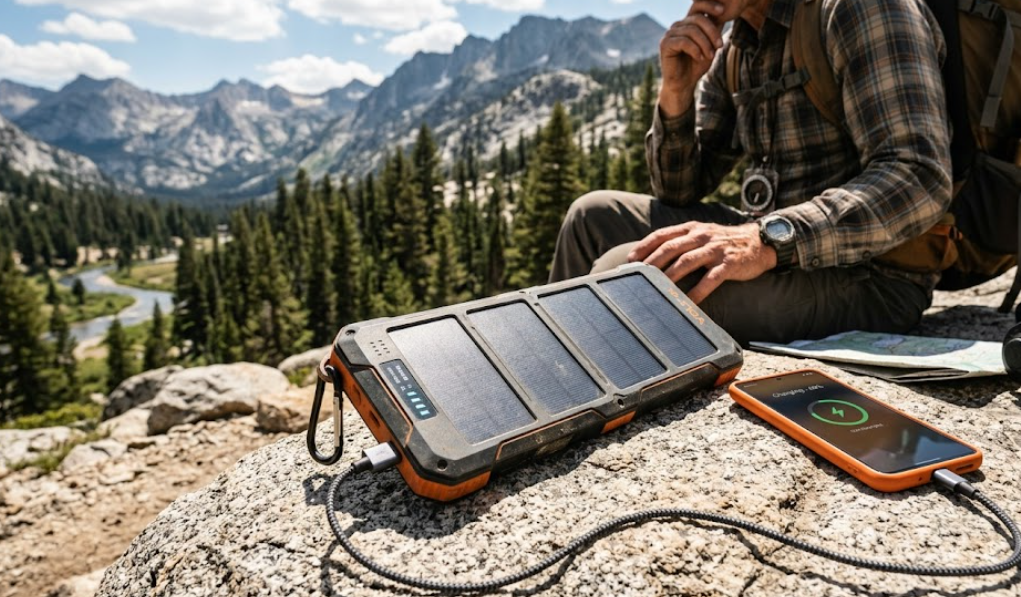
A solar power bank is a portable charging device that uses sunlight and electricity to store energy for phones and small electronics. It is designed for travel, outdoor use, and emergency backup. This guide explains whether buying a solar power bank is practical, useful, and cost effective for daily needs.
Should You Buy a Solar Power Bank?
A solar power bank should be purchased when mobile charging access is limited or unreliable. It is useful for outdoor users, travelers, and emergency situations. It is not ideal for users who rely on fast and consistent indoor charging.
A solar power bank provides backup energy when electricity is unavailable. It reduces dependence on wall charging in remote areas. However, solar charging is slow and cannot fully replace standard electrical charging.
A solar power bank is a smart investment for users who spend time outdoors. It is also useful during power outages in regions with unstable electricity supply. It becomes less useful for office or home-based users with stable power access.
A solar power bank should be selected based on usage needs. It supports emergency readiness more than daily fast charging requirements.
How Solar Power Banks Work
A solar power bank converts sunlight into electrical energy using built-in solar panels. The energy is stored in an internal battery for later use. The stored power is then used to charge electronic devices through USB output ports.
Solar Charging Technology
Solar charging technology uses photovoltaic cells to capture sunlight. These cells generate low-level electricity from solar exposure. The process depends on sunlight intensity and exposure duration.
Solar panels in power banks are usually small. They generate limited energy compared to wall chargers. Direct sunlight improves performance but does not match fast charging speeds.
Battery Storage System
The battery storage system holds converted solar energy. Lithium-ion and lithium-polymer batteries are commonly used. These batteries store energy for repeated device charging.
Battery capacity determines how many times a device can be charged. Higher capacity allows more backup power during emergencies.
Key Benefits of Solar Power Banks
Solar power banks offer energy independence in outdoor environments. They provide backup charging without requiring a wall socket. They are designed for mobility and emergency readiness.
Portable Energy Access
Portable energy access allows charging devices during travel. Users can charge smartphones and small gadgets outdoors. This feature supports long-distance travel and camping activities.
Emergency Backup Power
Emergency backup power supports users during blackouts. It ensures communication devices remain active. It is useful in areas with frequent power cuts.
Outdoor and Travel Use
Outdoor and travel use includes hiking, camping, and road trips. Solar power banks reduce dependency on fixed charging points. They support continuous device usage in remote areas.
Limitations of Solar Power Banks
Solar power banks have performance limitations compared to traditional chargers. Their efficiency depends on environmental conditions and hardware design.
Slow Solar Charging Speed
Solar charging speed is slower than electrical charging. Full charging through sunlight can take many hours or days. This limits fast energy replenishment.
Weather Dependency
Weather conditions affect solar performance. Cloudy or rainy weather reduces energy generation. Consistent sunlight is required for effective charging.
Limited Battery Capacity
Battery capacity in compact solar power banks is limited. Smaller units store less energy for multiple charges. Large-capacity models are heavier and less portable.
How to Choose the Right Solar Power Bank
Selecting a solar power bank requires evaluation of capacity, durability, and efficiency. Different models serve different usage needs.
Battery Capacity in mAh
Battery capacity in mAh determines total energy storage. Higher mAh values support multiple device charges. Lower capacity models are suitable for light usage.
Solar Panel Efficiency
Solar panel efficiency determines charging speed from sunlight. Higher efficiency panels generate more power in less time. Low-quality panels produce slower energy conversion.
Build Quality and Durability
Build quality affects long-term usage in outdoor conditions. Durable models resist dust, water, and impact damage. Strong casing improves reliability during travel.
Best Use Cases for Solar Power Banks
Solar power banks are best used in environments with limited electricity access. They support users in both emergency and outdoor conditions.
Camping and Hiking
Camping and hiking require portable energy sources. Solar power banks provide device charging in remote locations. They help maintain communication and navigation tools.
Power Outages
Power outages create temporary electricity shortages. Solar power banks provide backup charging during these events. They support essential device usage.
Travel and Remote Work
Travel and remote work require mobile charging solutions. Solar power banks reduce dependence on fixed power outlets. They support flexible working conditions.
FAQs
How long does a solar power bank take to charge fully
A full solar charge can take 20 to 50 hours depending on sunlight intensity and panel size.
Can a solar power bank charge a laptop
Most solar power banks cannot efficiently charge laptops due to low power output.
Do solar power banks work indoors
Solar power banks do not charge effectively indoors due to lack of direct sunlight.
What is the lifespan of a solar power bank
A solar power bank typically lasts 2 to 5 years depending on battery quality and usage.
Are solar power banks waterproof
Some models are water-resistant, but not all solar power banks are fully waterproof.
Conclusion
A solar power bank serves as a backup energy solution for outdoor use and emergency situations. It is not a replacement for fast wall charging systems. It supports mobility, travel convenience, and power reliability in unstable environments. Selection depends on battery size, durability, and solar efficiency.