Pick an Android Smartphone for Gaming

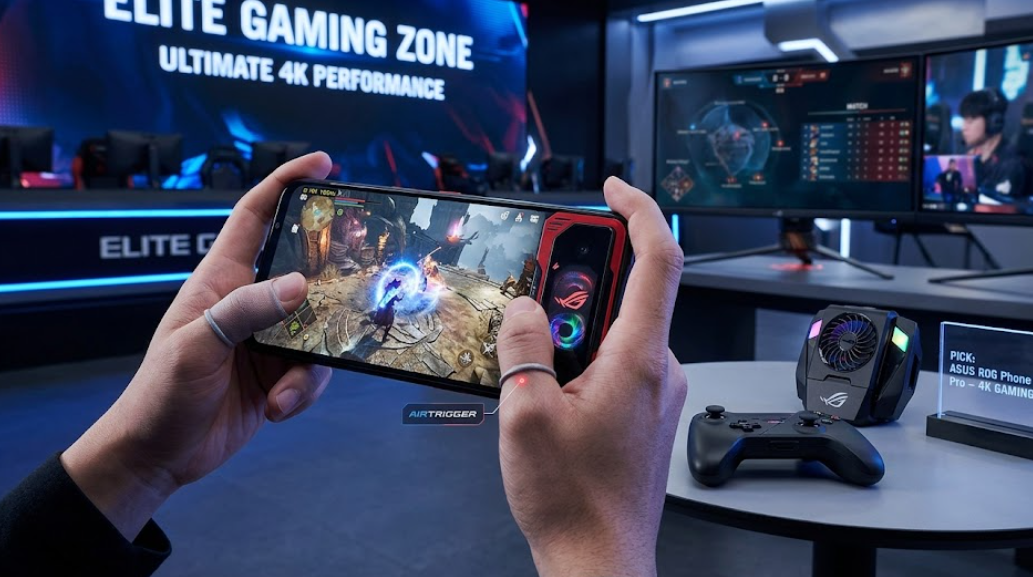
Android gaming requires a smartphone that delivers stable performance, smooth graphics, and long battery life. Many users face difficulty selecting the right device because specifications vary widely. This guide explains how to pick an Android smartphone for gaming with clear technical criteria, practical features, and performance priorities for modern mobile games.
Pick an Android Smartphone for Gaming
Choosing a gaming smartphone requires focus on performance hardware, thermal stability, and display quality. Many users select devices based on brand reputation, but gaming demands specific technical strengths. A suitable Android smartphone must handle high frame rates, intensive graphics, and sustained workloads without performance drops.
The first requirement is a powerful processor. Modern mobile games depend heavily on CPU and GPU performance. A device with a flagship or upper mid range chipset ensures stable gameplay. Examples include Snapdragon 8 series processors or equivalent high performance chipsets. These processors support advanced graphics rendering and reduce lag during gameplay.
The second requirement is sufficient memory. Gaming applications consume large amounts of RAM. A smartphone with at least 8 GB RAM supports smooth multitasking. Devices with 12 GB RAM or more provide improved stability for heavy gaming sessions. Storage type also matters. UFS storage technology improves loading speed and reduces in game delays.
The third requirement is display performance. A high refresh rate display improves visual smoothness. A 120 Hz display is suitable for competitive gaming. Resolution also influences clarity. Full HD Plus resolution is a balanced option for performance and battery efficiency.
The fourth requirement is cooling efficiency. Gaming generates heat that affects performance. Devices with advanced cooling systems maintain stable frame rates. Vapor chamber cooling or graphite layer systems help reduce thermal throttling during extended gaming sessions.
The fifth requirement is battery capacity. A gaming smartphone should include a large battery, ideally 5000 mAh or higher. Fast charging support is also important to reduce downtime between gaming sessions.
Key Hardware Specifications for Gaming Performance
Hardware specifications determine how well an Android smartphone performs in gaming environments. The processor is the central component. A high performance chipset handles rendering, physics processing, and background tasks simultaneously. This reduces frame drops and improves gameplay consistency.
GPU performance directly impacts visual quality. A strong graphics processor ensures smooth textures, shadows, and effects. Mobile GPUs integrated in flagship chipsets are designed for advanced gaming engines and high resolution graphics.
RAM capacity influences multitasking capability. Gaming applications often run alongside voice chat, streaming tools, and system services. Higher RAM reduces app reloads and improves stability. A minimum of 8 GB RAM is recommended for modern Android gaming.
Storage speed affects loading time. UFS 3.1 or higher storage technology provides faster data access. This improves map loading, texture streaming, and application launch speed. Lower storage types create delays in resource heavy games.
Touch response rate also plays a critical role. A higher touch sampling rate improves input accuracy. This is essential for competitive games where reaction time matters.
Display and Cooling Systems for Gaming Stability
Display technology affects both visual quality and gameplay responsiveness. A high refresh rate display improves motion clarity. A 90 Hz display is acceptable, but 120 Hz or higher is preferred for competitive gaming. This reduces motion blur and enhances control accuracy.
Color accuracy improves immersion in gaming environments. AMOLED displays provide deeper contrast and better color reproduction. This enhances visual detail in dark scenes and bright environments.
Screen size also influences gaming comfort. A display between 6.5 inches and 6.8 inches offers a balanced experience. Larger screens improve visibility but may reduce portability.
Cooling systems are essential for long gaming sessions. High performance smartphones generate heat during intensive processing. Thermal management systems prevent performance drops caused by overheating.
Vapor chamber cooling distributes heat evenly across the device. Graphite layers assist in heat dissipation. Some gaming smartphones include active cooling fans for additional temperature control. These systems maintain stable frame rates during extended gameplay.
Thermal optimization software also supports hardware cooling. It adjusts processor performance dynamically to prevent overheating while maintaining smooth gameplay.
Battery Life and Software Optimization for Gaming
Battery performance determines gaming duration and user experience. A large capacity battery supports extended gameplay sessions without frequent charging. A minimum of 5000 mAh is suitable for gaming focused smartphones.
Fast charging technology reduces downtime. Charging speeds of 33W, 67W, or higher provide quick power recovery. This allows users to resume gaming within a short period.
Software optimization improves gaming efficiency. Gaming modes in Android systems allocate resources to active games. This reduces background activity and improves performance stability.
Performance tuning features allow users to adjust CPU and GPU settings. High performance mode prioritizes speed, while balanced mode improves battery efficiency.
Operating system optimization also affects gaming. Clean software with minimal bloatware ensures better resource allocation. Regular updates improve compatibility with new games and enhance security.
Network stability is also important for online gaming. Dual band WiFi and 5G connectivity reduce latency and improve real time response. Stable connections reduce lag in multiplayer environments.
Additional Features That Improve Gaming Experience
Additional features enhance overall gaming quality. Stereo speakers provide immersive sound effects. High quality audio improves spatial awareness in competitive games.
Haptic feedback systems improve control precision. Advanced vibration motors simulate in game actions for better user interaction.
Game enhancement tools improve performance monitoring. These tools display frame rate, temperature, and network status during gameplay. This allows users to optimize performance in real time.
Ergonomic design also matters. Lightweight smartphones reduce hand fatigue during long gaming sessions. Proper weight distribution improves grip stability.
Accessory support such as gaming controllers and cooling attachments further enhances gameplay control and comfort.
Frequently Asked Questions
What processor is best for Android gaming smartphones
Flagship Snapdragon or equivalent high end processors deliver the best gaming performance and stability.
How much RAM is required for mobile gaming
A minimum of 8 GB RAM is required for smooth gaming performance in modern Android games.
Is a high refresh rate display necessary for gaming
A 120 Hz display improves motion smoothness and enhances competitive gaming performance significantly.
Does battery size affect gaming performance
A larger battery ensures longer gaming sessions without interruption and supports stable power delivery.
Do cooling systems improve gaming speed
Advanced cooling systems reduce heat buildup and prevent performance drops during extended gameplay sessions.
Conclusion
Selecting an Android smartphone for gaming requires attention to processor strength, display quality, cooling efficiency, and battery capacity. Performance stability depends on hardware balance and software optimization. A well chosen device ensures smooth gameplay, reduced lag, and consistent frame rates across demanding mobile games in 2026.