6 Reasons You Should Opt to Android OS in 2026

Android OS continues to evolve as a dominant mobile platform in 2026. Users expect speed, flexibility, and long term value from their devices. Android OS delivers a wide ecosystem that supports productivity, entertainment, and customization. This guide explains the key reasons users should consider Android OS for modern digital needs and future ready mobile usage.
6 Reasons You Should Opt to Android OS in 2026
Android OS remains a strong choice in 2026 due to its flexibility, device variety, and advanced software ecosystem. Many users face confusion when selecting between mobile operating systems. Android OS solves this problem by offering control, affordability, and innovation across multiple device categories. It supports both entry level users and advanced professionals through scalable performance and wide application support.
Android OS provides freedom of choice in hardware and software experience. It also adapts to modern technologies such as artificial intelligence, cloud integration, and cross device connectivity. These features make Android OS suitable for long term use in personal and professional environments.
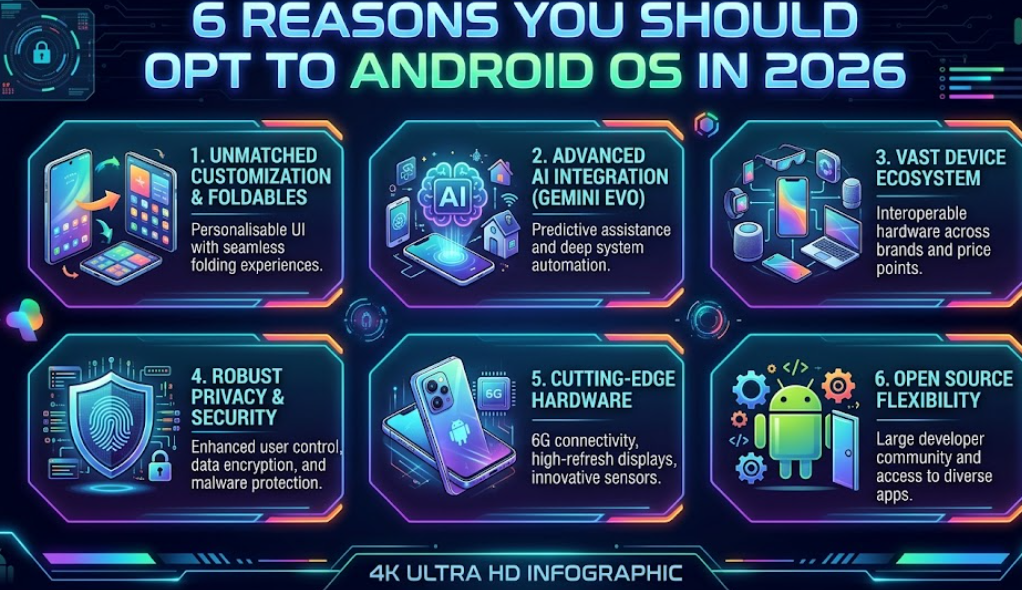
Reason 1 Customization and User Control
Android OS offers deep customization options for users in 2026. Users can modify home screens, widgets, layouts, and system themes. This level of control improves user experience and productivity.
Android OS allows launcher applications that change the entire interface structure. Users can adjust icon styles, grid layouts, and navigation gestures. This flexibility is not limited to visual changes. It also includes functional customization such as automation tools and system shortcuts.
Customization supports different user needs. Business users can create organized workflows. Students can design simplified interfaces for learning efficiency. Android OS provides control without forcing a single design structure.
Reason 2 Device Affordability and Wide Market Range
Android OS supports a wide range of devices across different price segments. Users can select budget smartphones or premium flagship devices depending on financial capacity.
Manufacturers integrate Android OS into multiple hardware configurations. This creates competition in the market and reduces overall device cost. Users benefit from better specifications at lower prices.
Android OS also supports mid range devices with strong performance capabilities. This ensures accessibility for users in developing markets and cost sensitive environments. Affordability remains a major advantage in 2026.
Reason 3 Strong Ecosystem Integration
Android OS connects seamlessly with Google services and third party applications. This integration improves productivity and data synchronization across devices.
Users can connect Android OS with cloud storage, email systems, and productivity tools. Data remains accessible across smartphones, tablets, and computers. This reduces dependency on a single device.
Android OS also supports smart home integration. Users can control lights, security systems, and appliances from mobile devices. This creates a unified digital environment that improves convenience and control.
Reason 4 Artificial Intelligence and Smart Features
Android OS in 2026 includes advanced artificial intelligence features. These features improve user interaction and system efficiency.
AI driven tools assist with voice commands, predictive text, and smart notifications. Android OS learns user behavior and adjusts system performance accordingly. This improves speed and usability over time.
Camera systems also benefit from AI processing. Image enhancement, object recognition, and low light optimization improve photography results. Android OS uses machine learning to refine user experience across applications.
Reason 5 Hardware Variety and Innovation Support
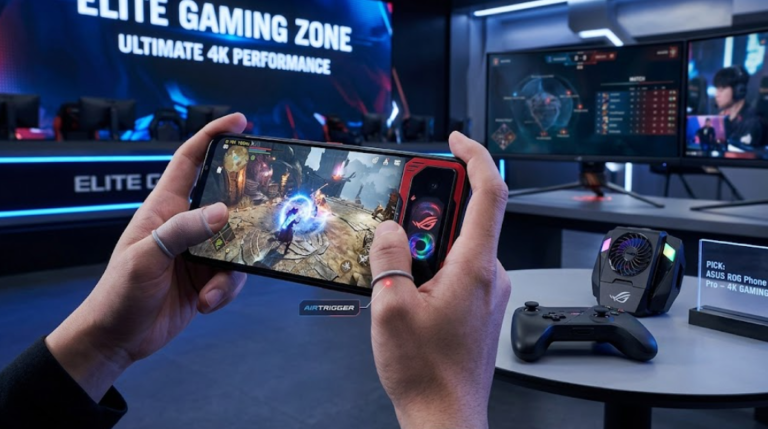
Android OS supports a large number of manufacturers and device types. This creates a diverse hardware ecosystem that includes foldable phones, gaming devices, and productivity tablets.
Users can select devices based on specific needs. Gaming users can choose high performance processors and cooling systems. Business users can select devices with enhanced multitasking capabilities.
Android OS encourages innovation in hardware design. Manufacturers experiment with display technology, battery optimization, and biometric security systems. This diversity gives users more options compared to restricted ecosystems.
Reason 6 Security Improvements and Regular Updates
Android OS in 2026 includes stronger security frameworks. These frameworks protect user data and system integrity.
Security updates are delivered regularly through system patches. Android OS improves encryption methods and application permission controls. Users can manage app access to personal data with greater precision.
Modern Android OS also includes biometric authentication such as fingerprint scanning and facial recognition. These features increase device security without reducing usability. Security improvements make Android OS suitable for personal and professional environments.
Performance and Software Evolution in Android OS 2026
Android OS continues to improve system performance through optimized software architecture. Updates reduce memory usage and improve application speed. This results in smoother multitasking and faster application switching.
Android OS also enhances background process management. Applications consume fewer resources when inactive. This improves battery life and overall system stability.
Software updates focus on compatibility with modern processors. Android OS supports high performance chips used in flagship and gaming devices. This ensures long term relevance across hardware generations.
Developer Ecosystem and Application Availability
Android OS supports a large global developer community. This results in a wide range of applications across productivity, entertainment, and education categories.
Developers benefit from open development tools and flexible publishing systems. This increases innovation and app diversity. Users gain access to both free and premium applications.
Android OS also supports third party app stores. This increases availability of software beyond a single distribution platform. Users can explore different application sources based on need and preference.
Frequently Asked Questions
What makes Android OS different from other mobile systems?
Android OS provides open customization and wider device selection.
Is Android OS suitable for business use in 2026?
Android OS supports productivity tools and secure enterprise applications.
Does Android OS support artificial intelligence features?
Android OS includes AI tools for camera, voice, and system optimization.
Can Android OS devices receive regular updates?
Android OS devices receive security and system updates depending on manufacturer support.
Is Android OS good for gaming performance?
Android OS supports high performance gaming devices with advanced graphics processing.
Conclusion
Android OS in 2026 delivers a balanced mobile experience focused on flexibility, performance, and accessibility. It supports diverse user needs through hardware variety, intelligent software systems, and strong application ecosystems. Android OS continues to evolve as a practical solution for modern digital lifestyles.