Over-Ear vs. In-Ear Gaming Headset – Which One is Good for Gaming?

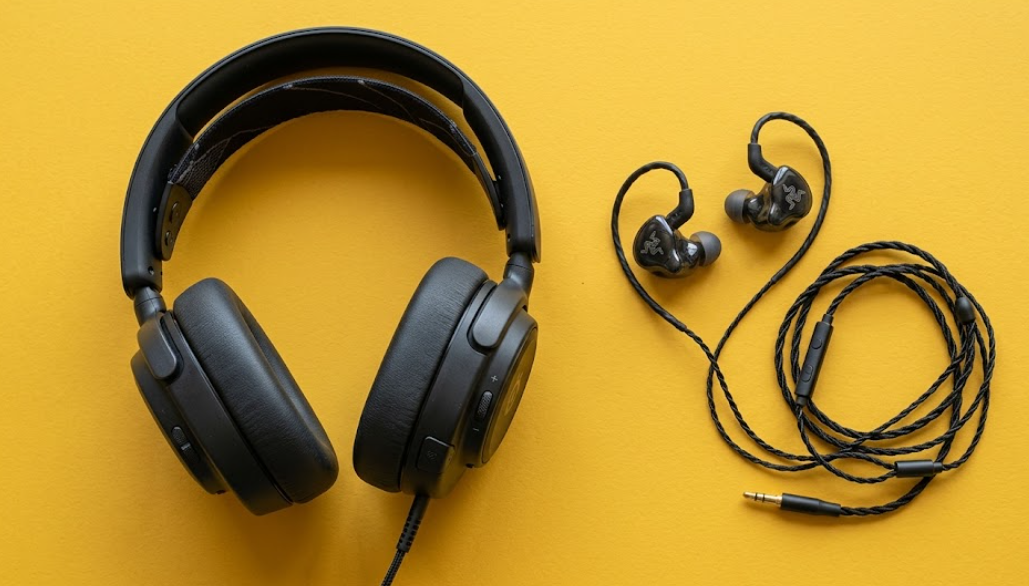
Choosing between over-ear and in-ear gaming headsets affects gaming performance, comfort, and audio clarity. Each type delivers different strengths depending on usage style, device, and environment. This guide explains both options in detail and helps you select the right gaming headset based on sound quality, comfort, and competitive performance needs.
Overear Vs In Ear Gaming Headset – Which One is Good for Gaming?
The best gaming headset depends on gaming style, comfort preference, and platform. Over-ear gaming headsets are generally better for immersive sound, long sessions, and competitive accuracy. In-ear gaming headsets are better for portability, mobile gaming, and casual use. For most PC and console gamers, over-ear options deliver stronger performance overall.
Over-ear headsets provide a wider soundstage and better bass response. This improves directional awareness in FPS games. In-ear headsets are compact and lightweight, but they reduce spatial depth. For serious gaming performance, over-ear headsets are the preferred choice. For travel or mobile gaming, in-ear models offer practical convenience.
Over-Ear Gaming Headsets Performance
Over-ear gaming headsets cover the entire ear and create an enclosed audio environment. This design improves immersion and sound isolation during gameplay.
Sound Quality
Over-ear gaming headsets deliver high-quality sound with better bass and spatial separation. This helps players identify footsteps, gunfire direction, and environmental cues. Large drivers inside over-ear headsets produce deeper audio layers compared to in-ear designs.
Comfort and Long Sessions
Over-ear gaming headsets are designed for extended use. Soft ear cushions reduce pressure on ears during long gaming sessions. Adjustable headbands help distribute weight evenly. This makes them suitable for marathon gaming or competitive tournaments.
Microphone Quality
Most over-ear gaming headsets include dedicated boom microphones. These microphones offer clearer voice capture and noise reduction. This improves team communication in multiplayer games where clarity is essential.
In-Ear Gaming Headsets Performance
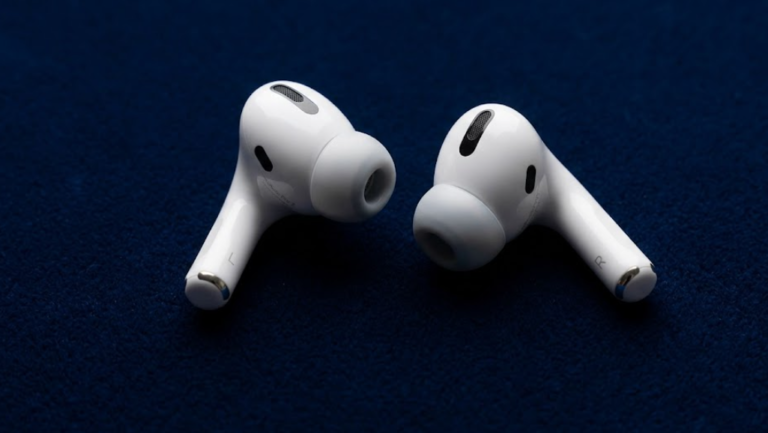
In-ear gaming headsets are compact audio devices that fit directly into the ear canal. They are commonly used for mobile gaming and portable setups.
Portability
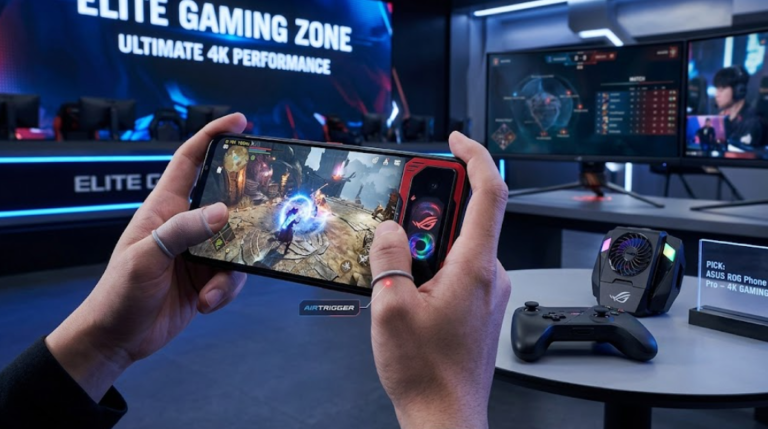
In-ear gaming headsets are lightweight and easy to carry. They fit inside pockets and require minimal storage space. This makes them suitable for gaming on smartphones and travel situations.
Latency Performance
Wired in-ear gaming headsets often provide low latency audio. This is useful for mobile gamers who require fast response times. However, wireless in-ear models may introduce slight delay depending on connection quality.
Comfort Issues
In-ear gaming headsets may cause discomfort during long gaming sessions. Ear fatigue can occur due to pressure inside the ear canal. They are less suitable for extended PC or console gaming compared to over-ear headsets.
Key Differences for Gamers
Understanding the differences between over-ear and in-ear gaming headsets helps identify the best choice for each gaming scenario.
Competitive Gaming
Over-ear gaming headsets are better for competitive gaming. They provide accurate spatial audio and improved directional sound detection. This is critical in FPS and battle royale games where positioning matters.
Casual Gaming
In-ear gaming headsets are suitable for casual gaming. They are ideal for short sessions and mobile gaming. They offer convenience but limited immersive experience compared to over-ear headsets.
FPS vs Mobile Gaming
FPS games require precise audio positioning. Over-ear gaming headsets deliver better environmental awareness in such games. Mobile games prioritize portability, where in-ear headsets perform efficiently.
How to Choose Right Headset
Selecting the right gaming headset depends on multiple practical factors including budget, device compatibility, and usage environment.
Budget Considerations
Over-ear gaming headsets generally cost more due to advanced drivers and build quality. In-ear gaming headsets are more affordable and accessible. Budget constraints often influence final choice.
Platform Compatibility
PC and console gaming benefit from over-ear headsets due to advanced audio support. Mobile gaming aligns better with in-ear headsets due to portability and simple connectivity.
Gaming Environment
Quiet environments favor over-ear headsets for immersion. Public or travel environments favor in-ear headsets due to compact size and isolation needs.
Audio Technology and Gaming Experience
Audio technology plays a major role in gaming performance and immersion quality.
Over-ear gaming headsets often include surround sound features. These features simulate 3D audio positioning. This improves reaction time and spatial awareness in competitive games.
In-ear gaming headsets rely on stereo sound output. This limits directional depth but still provides clear audio for casual gaming. Advanced models may include enhanced bass tuning for better immersion.
Wireless over-ear gaming headsets may include Bluetooth or USB dongle connectivity. This improves flexibility but may introduce minimal latency. Wired versions offer stable performance for competitive gaming.
Comfort and Long-Term Use Comparison
Comfort is a major factor in headset selection for gamers.
Over-ear gaming headsets distribute pressure across the head. This reduces ear strain during long gaming sessions. However, they may feel warm after extended use.
In-ear gaming headsets remain cool and lightweight. However, they can create pressure inside the ear canal. This may limit long-duration gaming comfort.
Gamers who play for several hours benefit more from over-ear designs. Short-session gamers may prefer in-ear options for convenience.
Durability and Build Quality
Over-ear gaming headsets are typically built with stronger materials. They include reinforced headbands and thick cushioning. This improves durability over time.
In-ear gaming headsets are more delicate due to small components. Cable quality and ear tip durability affect lifespan. Wireless versions require battery maintenance.
For long-term investment, over-ear gaming headsets offer better durability and consistent performance.
Use Case Recommendations
Different gaming styles require different headset types.
Over-ear gaming headsets are recommended for:
- Competitive PC gaming
- Console gaming setups
- Long gaming sessions
- Immersive story-based games
In-ear gaming headsets are recommended for:
- Mobile gaming
- Travel gaming
- Casual short sessions
- Lightweight audio needs
Final Comparison Summary
Over-ear gaming headsets provide superior sound quality, comfort, and competitive advantage. They are ideal for serious gamers and immersive gameplay.
In-ear gaming headsets offer portability, affordability, and convenience. They are best suited for mobile and casual gaming environments.
FAQs
Which headset is better for FPS games?
Over-ear gaming headsets provide better directional sound accuracy for FPS gameplay.
Are in-ear gaming headsets good for competitive gaming?
In-ear gaming headsets are less effective for competitive gaming due to limited spatial audio depth.
Do over-ear headsets cause ear fatigue?
Over-ear gaming headsets reduce ear fatigue but may cause head pressure after long sessions.
Can in-ear headsets be used for PC gaming?
In-ear gaming headsets can be used for PC gaming but are not ideal for extended play.
Which headset lasts longer?
Over-ear gaming headsets generally last longer due to stronger build materials and design.
Conclusion
Both gaming headset types serve different gaming needs based on usage patterns and device preferences. Over-ear gaming headsets deliver stronger immersion and performance for serious gamers. In-ear gaming headsets provide convenience for mobile users. The correct choice depends on comfort expectations, gaming environment, and required audio precision level consistently.