Can You Destroy Your SATA Hard Drive? Read this Before You Do

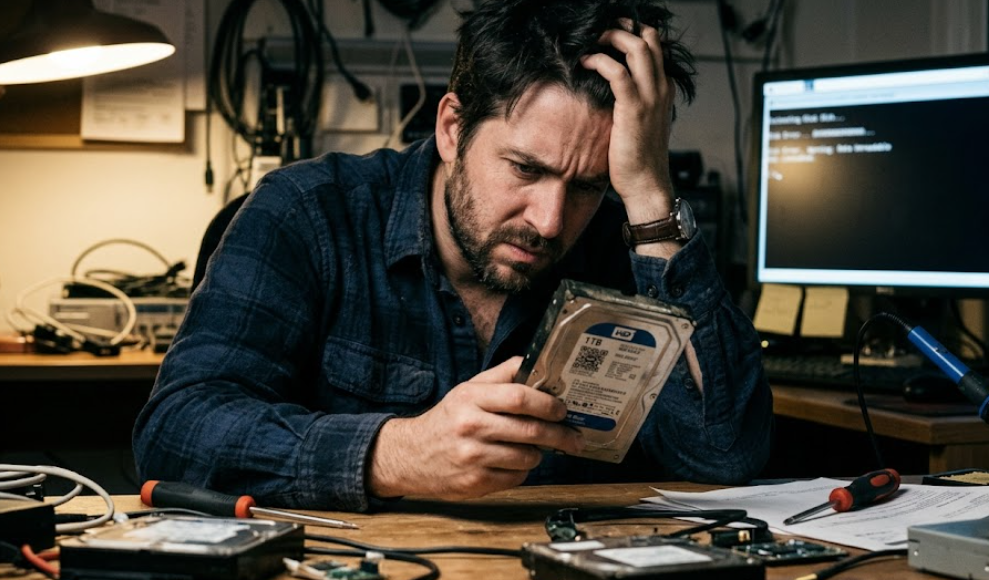
SATA hard drives store large volumes of digital data in computers and external systems. Many users eventually consider destroying these drives for security reasons. Understanding correct methods is important to avoid data leaks, legal problems, and environmental damage. This guide explains safe practices, risks, and professional options for SATA hard drives.
Can You Destroy Your SATA Hard Drive? Read this before you do
Destroying a SATA hard drive is possible, but it requires careful planning and the right method. SATA hard drives contain magnetic platters that store sensitive information. Simply breaking the outer shell does not always guarantee complete data removal. Proper destruction or secure wiping ensures that data cannot be recovered.
The main problem is not physical damage alone. The real concern is data recovery. Even damaged SATA hard drives can sometimes be reconstructed using forensic tools. Therefore, safe destruction must focus on eliminating all readable data before disposal or recycling.
Why People Want to Destroy SATA Hard Drives
Many users decide to destroy SATA hard drives due to privacy, security, or device replacement needs. Data stored on old drives may still be accessible if not properly erased.
Data security risks
SATA hard drives often store personal files, business documents, passwords, and financial records. If these drives are reused or discarded without proper wiping, sensitive data can be exposed.
Business compliance
Companies are required to follow data protection regulations. Improper disposal of SATA hard drives can lead to compliance violations and financial penalties. Secure destruction is often mandatory in regulated industries.
Device disposal reasons
Old SATA hard drives are frequently replaced with SSD storage systems. Users destroy or retire older drives to improve system performance and storage efficiency.
Safe Methods to Destroy a SATA Hard Drive
There are multiple safe methods to handle SATA hard drive destruction. Each method depends on security needs and available resources.
Software wiping
Software-based wiping removes data by overwriting storage sectors multiple times. This method is effective when the drive is still functional. Tools designed for disk sanitization ensure that recovered data becomes unreadable.
Key points include:
- Multiple overwrite passes increase security
- Verification is required after wiping
- Suitable for reuse or resale scenarios
Physical destruction overview
Physical destruction ensures that SATA hard drives cannot be reused. It targets internal components such as magnetic platters and read write heads. Once these parts are damaged, data recovery becomes extremely difficult.
Common physical methods include:
- Crushing the drive casing
- Shredding internal components
- Drilling through magnetic platters
These methods should be performed with caution to avoid injury.
Professional data destruction services
Professional services provide certified destruction for SATA hard drives. These services use industrial equipment such as degaussers and shredders. They also provide certificates of destruction for compliance purposes.
Benefits include:
- Guaranteed data elimination
- Environmental recycling support
- Compliance documentation for audits
Risks of Improper Hard Drive Destruction
Improper handling of SATA hard drives can lead to serious consequences. Many users underestimate the recovery capability of modern forensic tools.
Data recovery risk
Even damaged SATA hard drives can sometimes be repaired in laboratory environments. If data is not fully destroyed, sensitive files may still be accessible.
Environmental impact
Throwing SATA hard drives into general waste creates environmental harm. Hard drives contain metals and electronic components that require proper recycling.
Legal issues
Improper disposal of data storage devices can lead to legal penalties in cases involving sensitive or regulated data. Organizations must follow data destruction standards.
Best Practices Before Disposal
Proper preparation reduces risks and ensures safe handling of SATA hard drives. Users should follow structured steps before discarding or destroying drives.
Backup important files
Important data should be copied to secure storage before destruction. Cloud storage or external SSDs are commonly used for backups.
Verify data wipe
After software wiping, verification tools should confirm that no readable data remains. This step reduces the risk of incomplete sanitization.
Choose certified recycling
Certified electronic recycling centers handle SATA hard drives safely. These centers ensure both data destruction and environmental compliance.
Frequently Asked Questions
Can deleted files be recovered from a SATA hard drive?
Yes, deleted files can often be recovered unless the drive has been securely wiped or physically destroyed.
Is formatting a SATA hard drive enough to destroy data?
No, formatting only removes file references and does not fully erase data.
What is the safest way to destroy a SATA hard drive?
Professional destruction services provide the highest level of data security.
Can magnets destroy SATA hard drive data?
Strong industrial degaussing equipment can destroy magnetic data, but household magnets are not effective.
Conclusion
SATA hard drive destruction requires more than simple physical damage. Secure data removal, proper wiping methods, and certified disposal ensure complete protection of sensitive information. Users and organizations must follow structured procedures to prevent recovery risks. Safe handling also supports environmental responsibility and regulatory compliance in modern digital systems.