What is DDR5 and Why It is Best for Graphics?

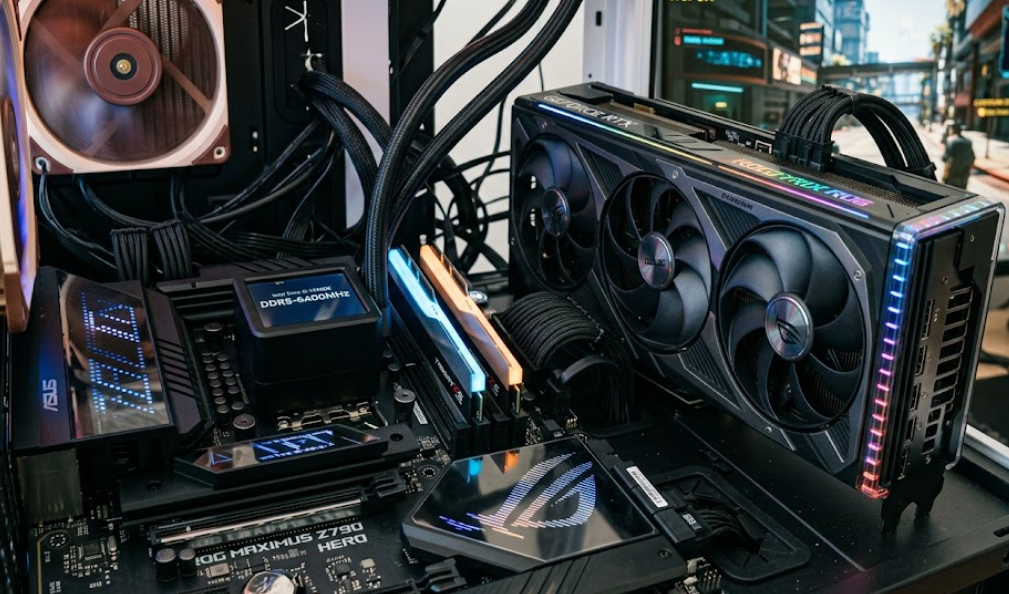
DDR5 is the fifth generation of Double Data Rate memory used in computers. DDR5 replaces DDR4 and introduces higher bandwidth and improved efficiency. DDR5 allows data to move faster between the CPU and memory. DDR5 improves system responsiveness in demanding applications such as gaming and 3D graphics. applications
What is DDR5 and Why It is Best for Graphics?
DDR5 is the fifth generation of Double Data Rate memory used in computers. DDR5 replaces DDR4 and introduces higher bandwidth and improved efficiency. DDR5 allows data to move faster between the CPU and memory. DDR5 improves system responsiveness in demanding applications such as gaming and 3D graphics.
Graphics performance depends heavily on memory speed and bandwidth. DDR5 provides higher data rates compared to DDR4. This helps graphics cards and integrated GPUs access textures and assets faster. It reduces bottlenecks in rendering pipelines. DDR5 also supports larger memory modules which help in high resolution workflows.
Lower latency in DDR5 improves frame stability. Content creators benefit from smoother preview playback. Gamers experience fewer stutters in open world environments. DDR5 allows better handling of large datasets in modern engines. It is particularly useful for AI assisted graphics tools.
How DDR5 Improves Graphics Performance
Memory Bandwidth
Memory bandwidth refers to the amount of data transferred per second. DDR5 increases bandwidth significantly compared to previous memory generations. This allows graphics systems to process more textures and visual data at once. High bandwidth reduces rendering delays and improves frame delivery in games and design software.
Higher Frequencies
Higher frequency in DDR5 means more cycles per second. This directly increases memory speed. Faster memory improves data transfer between CPU and GPU. This results in smoother graphics performance and faster loading times in applications.
Lower Power Use
DDR5 uses lower voltage compared to DDR4. Lower power consumption reduces heat generation. This improves system stability during heavy graphics workloads. It also supports energy efficient computing in laptops and compact systems.
DDR5 vs DDR4 for Gaming and Design
Speed comparison
DDR5 delivers higher speeds than DDR4. DDR4 typically operates between 2133 and 3200 MT per second. DDR5 starts from 4800 MT per second and scales higher. This speed difference improves gaming performance and reduces lag in heavy applications.
Multitasking
DDR5 allows better multitasking performance. Users can run multiple applications without slowdowns. This is useful for video editing, 3D modeling, and gaming at the same time. DDR5 improves system efficiency under heavy workloads.
Rendering and editing
Rendering and editing require high memory capacity and speed. DDR5 supports large project files in video production. It reduces processing time in rendering software. Designers experience smoother workflow in complex projects.
Who Should Use DDR5
Gamers
Gamers benefit from DDR5 through higher frame rates and reduced stuttering. Modern games require fast memory access. DDR5 helps maintain stable performance in open world and competitive games.
Graphic designers
Graphic designers need fast memory for software like Photoshop and Illustrator. DDR5 improves file handling and layer processing. It helps reduce delays when working on high resolution images.
AI workloads
Artificial intelligence applications require large data processing. DDR5 improves memory throughput for AI models. It supports faster training and inference in machine learning systems. This makes DDR5 suitable for modern AI driven graphics tasks.
FAQs
What is DDR5 speed advantage?
DDR5 provides significantly higher transfer rates than DDR4 which improves overall system performance.
Is DDR5 good for gaming laptops?
DDR5 improves gaming laptop performance by reducing memory bottlenecks in modern titles.
Does DDR5 increase FPS?
DDR5 can increase frame rates in CPU bound games depending on system configuration.
Is DDR5 worth upgrading from DDR4?
DDR5 is worth upgrading for users running modern graphics workloads and heavy multitasking systems.
Conclusion
DDR5 memory represents a major shift in computing performance for graphics focused systems. It delivers faster data handling and improved efficiency across workloads. Users gain better responsiveness in demanding applications. DDR5 supports modern gaming, design, and AI tasks with stable and scalable memory performance for future computing needs expansion growth.